Jane Austen Novels The Essential Guide to Her Classic Romance Books
Overview
Let’s be honest: finding your next great read in the romance genre can feel like a fulltime job. The numbers back this up. Romance novels are flying off the shelves with sales hitting an impressive peak in recent years, showing that readers like you are hungry for stories of love, wit, and happy endings.

But with so many options out there, where do you even start? It is easy to get buried under endless recommendations and trending lists.
That is where Jane Austen comes in. More than 250 years after her birth, her novels remain wildly popular because they do something special. They mix sharp social commentary with unforgettable love stories that still feel fresh. As scholars point out, her work and the Regency period continue to capture our imagination, allowing writers and readers to explore timeless themes in new ways. She is not just a historical footnote. She is the cornerstone of the modern romance genre, a writer who set the standard for character, consequence, and emotional depth.
This guide is here to save you time and cut through the noise. We have done the heavy lifting to bring you a curated, authoritative look at the essential works. You will discover which novels you need to read and which editions are truly worth your time.
Ready to build your reading list? Browse Rankings for curated lists that point you to the best books and hidden gems.
Why Jane Austen Remains the Queen of Classic Romance
You know that feeling when a book gets you completely? It makes you laugh, think, and maybe even blush a little. That is exactly what Jane Austen has been doing for more than two centuries. Her jane austen novels are not just old stories. They are the reason we expect wit, tension, and real emotional payoff when we pick up a historical romance book today.
Austen did something special. She wrapped sharp social commentary inside love stories. Her characters don’t just fall in love. They wrestle with pride, money, reputation, and family. Sound familiar? These are the same problems we face now, just in different outfits. As experts have pointed out, her works and the Regency period continue to fuel modern storytelling because they give writers and readers a timeless playground to explore those themes.
That universality is why we keep going back. Love, class, gossip, and the fear of being judged are not going anywhere. Austen understood that better than almost anyone. Her books feel fresh because they are honest about human nature.
And the numbers back up her staying power. Romance novels as a whole saw an impressive peak in sales in 2023, with 39 million copies sold a 52% increase from the year before. Austen is a huge reason why readers trust the genre. Her novels are staples on academic syllabi and in book club picks everywhere. In fact, surveys show that readers are still hungry for recommendations that lead them to good books to read that combine heart and intelligence.
If you are ready to dive deeper and see which editions and modern retellings are worth your time, we have done the work for you. Browse Rankings to find curated lists that point you straight to the best Austen works and hidden gems.
A Complete Guide to Jane Austen’s Major Novels
So you are ready to dive into Jane Austen’s world. Her six major novels each offer something unique. They are all worth your time, but knowing what to expect helps a lot.
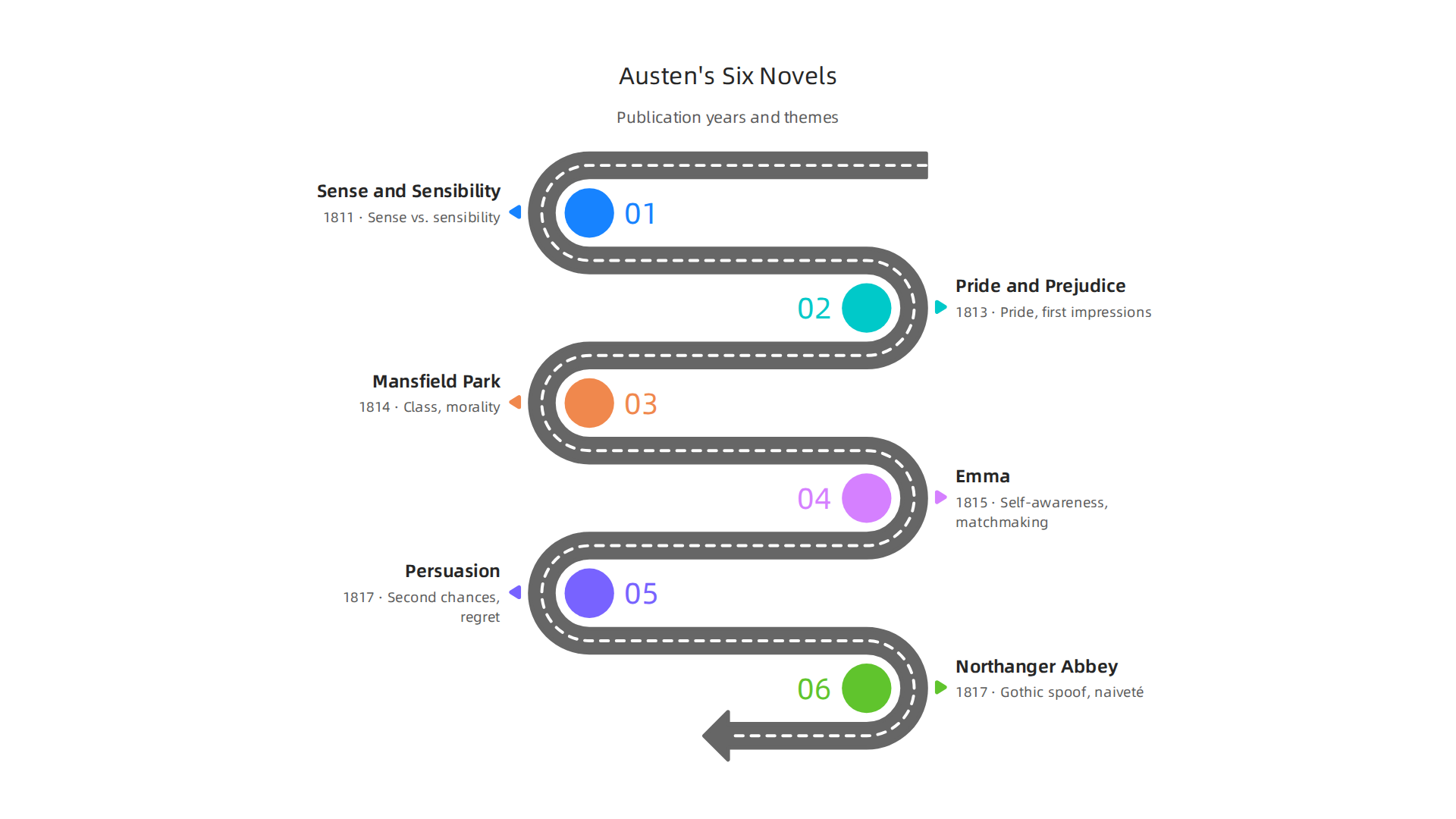
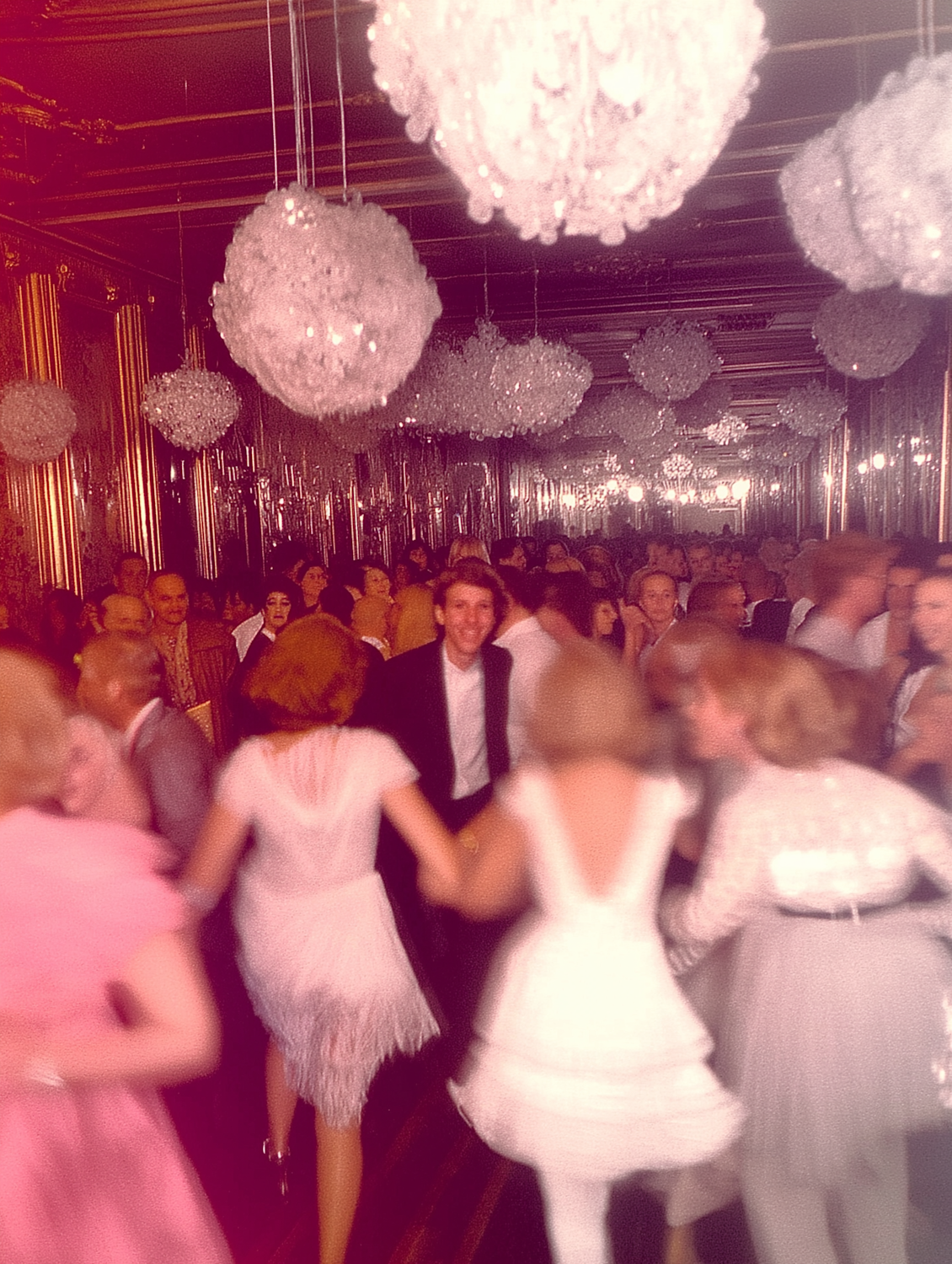
Austen wrote these books between 1811 and 1817. That is the Regency era. Think fancy balls, strict social rules, and families worried about money and marriage.
Austen used that setting to explore timeless human struggles. As scholars note, her novels broke new ground in subject and style, focusing on ordinary people and their inner lives.
Here is a quick look at each of her finished novels.
Pride and Prejudice (1813)
This is the one everyone knows. Elizabeth Bennet is smart, funny, and independent. Mr. Darcy is proud, rich, and bad at first impressions. Their journey from dislike to love is pure magic. The themes here are pride, prejudice, and the danger of first impressions. It is often called the perfect romance novel.
Sense and Sensibility (1811)
Austen’s first published book tells the story of the Dashwood sisters. Elinor represents sense or practicality. Marianne represents sensibility or emotion. They both face heartbreak and poverty. The book asks a big question: how do you balance your head and your heart?
Emma (1815)
Emma Woodhouse is rich, clever, and terrible at matchmaking. She thinks she knows what is best for everyone. She is usually wrong. This is a comedy about self-awareness and growing up. It is lighter than the others, but still sharp. Emma is the only Austen novel named after its main character.
Persuasion (1817)
This one was published after Austen died. It is also her most mature and tender work. Anne Elliot is older, wiser, and full of regret. She fell in love with Captain Wentworth years ago, but her family talked her out of it. Now he is back, rich and successful. This book is about second chances and staying true to yourself.
Mansfield Park (1814)
Fanny Price is a poor girl sent to live with rich relatives. She is quiet, shy, and deeply principled. This novel is darker than the others. It explores class, morality, and the corruption of wealth. Some readers find Fanny hard to love. But her quiet strength is exactly the point.
Northanger Abbey (1817)
This one is a spoof. Catherine Morland loves gothic romance books full of horror and mystery. When she visits a grand estate, she imagines dark secrets everywhere. Austen makes fun of both scary stories and naive readers. It is playful and hilarious.
These six novels form the core of Austen’s legacy. They also set the stage for the entire genre. As one study explains, her narrative themes and characters continue to shape how we write and read love stories today.
If you are ready to pick which one to read first, we have done the work for you. Browse Rankings to find curated lists that point you straight to the best editions and starting points for every kind of reader.
How Austen Shaped the Romance Novel Genre
Have you ever picked up a romance novel with an "enemies to lovers" plot? Or laughed at the sharp, witty banter between two characters who clearly belong together? If so, you have Jane Austen to thank. She basically invented the blueprint.
Before Austen, love stories were often dramatic or tragic. Characters swooned. They died of broken hearts. Austen changed all that. She focused on real people having real conversations. And she made the marriage plot the engine of the story. That might sound simple, but it was a huge shift. According to one study, her narrative themes still "shape how we write and read love stories today."
Let’s look at the main tools she gave the romance genre.
Enemies to lovers. The classic formula. Pride and Prejudice set the gold standard. Elizabeth Bennet and Mr. Darcy start off insulting each other. They misjudge each other. Then slowly, they fall in love. Almost every modern "enemies to lovers" romance traces its DNA back to this book.
Witty banter. Austen’s characters talked smart. They traded clever insults and double meanings. That kind of verbal sparring is now a staple in romance. Think of any modern rom-com where the leads have fast, funny conversations. That is pure Austen.
The marriage plot. In Austen’s world, getting married was a serious financial and social decision. She used that tension to create drama. The question "who will she marry?" drives the whole story. Most romantic novels today still follow that same structure.
Austen didn’t write in a vacuum. Other classic authors took her ideas and ran with them. The Brontë sisters, for example, added more passion, darkness, and wild emotion. Charlotte Brontë’s Jane Eyre has that intense, brooding hero. But Austen’s version is lighter and more grounded. She is the rational romance, while the Brontës are the gothic romance.
Then came Georgette Heyer in the 20th century. She read Austen and decided to write historical romance books set in the same Regency era. Heyer created the modern Regency romance genre. She borrowed Austen’s witty dialogue, social settings, and marriage plots. Today, you can find shelves of "Regency romance" that all owe a debt to Austen.
Actually, Austen’s influence is so strong that publishers use "Austen-like" as a real marketing category. If a new romance novel has smart heroines, sharp dialogue, and a focus on social manners, it gets called "Austen-like." That label helps readers find good books to read that feel familiar but fresh.
So the next time you read a love story where the couple bickers and then falls for each other, remember you are reading a tradition that started with Jane Austen. She shaped the genre more than any other single writer.
If you want to explore more books that changed how we tell stories, take a look at our curated lists. Browse Rankings to find deep dives and reading guides for your next great read.
The Best Editions and Collectible Sets for Book Lovers
So you love Austen’s stories. Now you want the best physical copies to hold in your hands. Whether you are a serious collector or a casual reader, there is a perfect edition out there for you.
Let’s start with the big stuff. If you have serious money and want a piece of history, rare first editions are the holy grail. A first edition of Pride and Prejudice from 1813 is incredibly valuable. Sotheby’s has tracked the most expensive Austen books ever sold, and some original editions have gone for hundreds of thousands of dollars. You can find authenticated copies through specialist dealers like Bauman Rare Books, but expect to pay a premium.
For most of us, annotated editions are a smarter choice. These are regular books with extra notes on every page. They explain the old words, the social rules, and the jokes modern readers might miss. Penguin Random House publishes some of the most beautiful annotated versions with bonus material and gorgeous cover art. They turn a classic into something new.
Then there are the luxury box sets. These are complete collections of all six major Austen novels in a matching set. They often have cloth covers, ribbon markers, and slipcases. They look amazing on a shelf and make great gifts. A quick search on YouTube shows collectors proudly showing off their full Austen sets, and the variety is huge.
If you are on a budget, do not worry. You can find affordable paperback editions everywhere. The key is to look for "annotated" or "deluxe" labels for the best reading experience. Even a simple copy gives you the same brilliant story.
Finally, here is a quick tip for spotting quality editions. Check the publisher. Penguin Classics, Oxford World’s Classics, and Norton Critical Editions are all trusted.
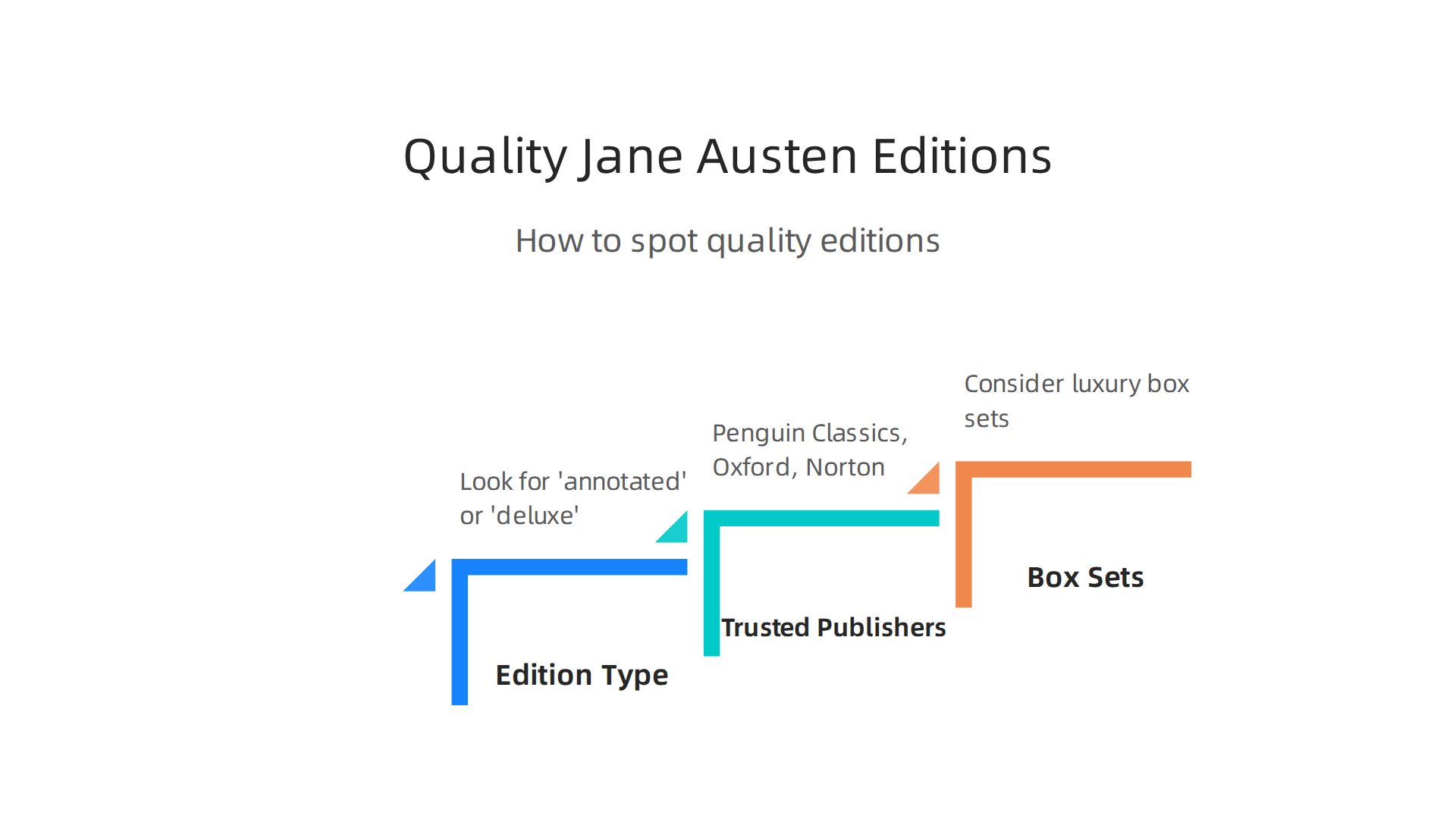
They use accurate texts and include useful introductions. Avoid no-name publishers that might use old, error-filled versions.
No matter your budget, there is a good book to read waiting for you. And if you want to discover more great reads beyond Austen, we have you covered. Browse Rankings to find your next favorite book.
Using Austen in the Classroom: Resources for Teachers and Students
Now that you know what editions to look for, let’s see how teachers and students can bring Jane Austen’s stories to life. Whether you are planning a lesson or studying on your own, there are plenty of free tools and materials to make her world more real.
Free Study Guides and Primary Sources
Many universities and museums share high-quality lesson plans and study guides online. For example, the British Library offers deep dives into Austen’s manuscripts and historical context. A great way to see her actual handwriting is through facsimiles of her letters. You can explore reproductions of every known letter at antique and collectible Jane Austen books.
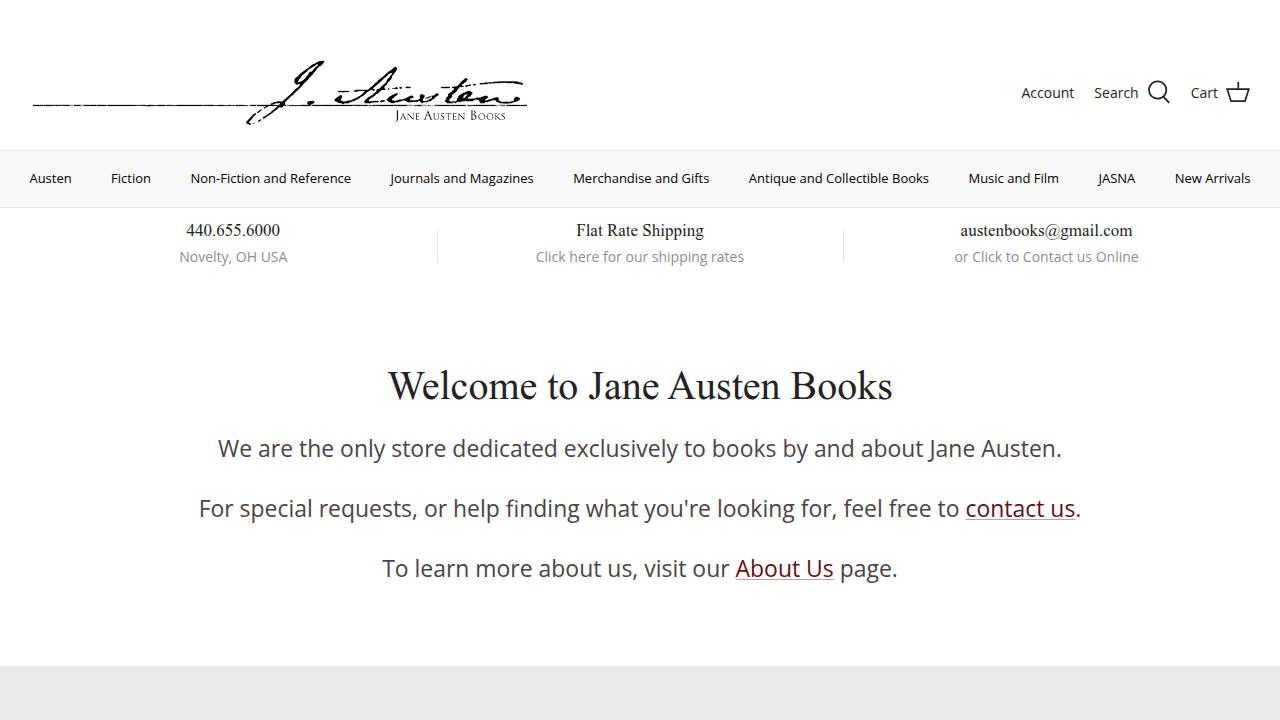
These primary sources help students understand Austen’s voice and daily life.
Essay Topics and Discussion Questions
Here are some questions that work well in the classroom:
- Why are first editions of Jane Austen books so valuable? Use the Sotheby’s article to discuss how rarity and history affect price.

- How do different editions change your reading experience? Compare a modern paperback to a rare first edition.
- What do Austen’s letters tell us about her views on society and marriage?
- How have film adaptations changed how we see her heroines?
These prompts encourage critical thinking about literature, history, and book collecting.
Interactive Tools: Virtual Tours and Collections
One of the best interactive tools is a virtual tour of Chawton House, where Austen lived and wrote. You can walk through the rooms and gardens online. Another fun activity is watching a bookshelf tour of someone’s Austen collection. It shows how different readers display and value these novels. Students can even create their own book tour videos.
Next Steps for Curious Readers
After you finish studying Austen, you might want to discover other great books. Exploring different genres can deepen your love of reading. If you are looking for your next good book, check out our curated rankings and reading lists. They are full of thoughtful recommendations for every taste.
Modern Adaptations and Why They Matter
For many of us, the first introduction to Jane Austen’s stories comes not from a book but from a movie or TV show. That is totally fine. These adaptations bring her timeless characters and sharp wit to life in a whole new way. And honestly, they help keep Austen’s work alive for new generations.
Notable Film and TV Adaptations
Some adaptations are so beloved that they become the version fans think of first. The 1995 BBC Pride and Prejudice, starring Colin Firth, is often called the best Austen adaptation ever. It stays very close to the book and has gorgeous scenery. The Modern Mrs Darcy blog calls it the best Austen adaptation “hands down.”
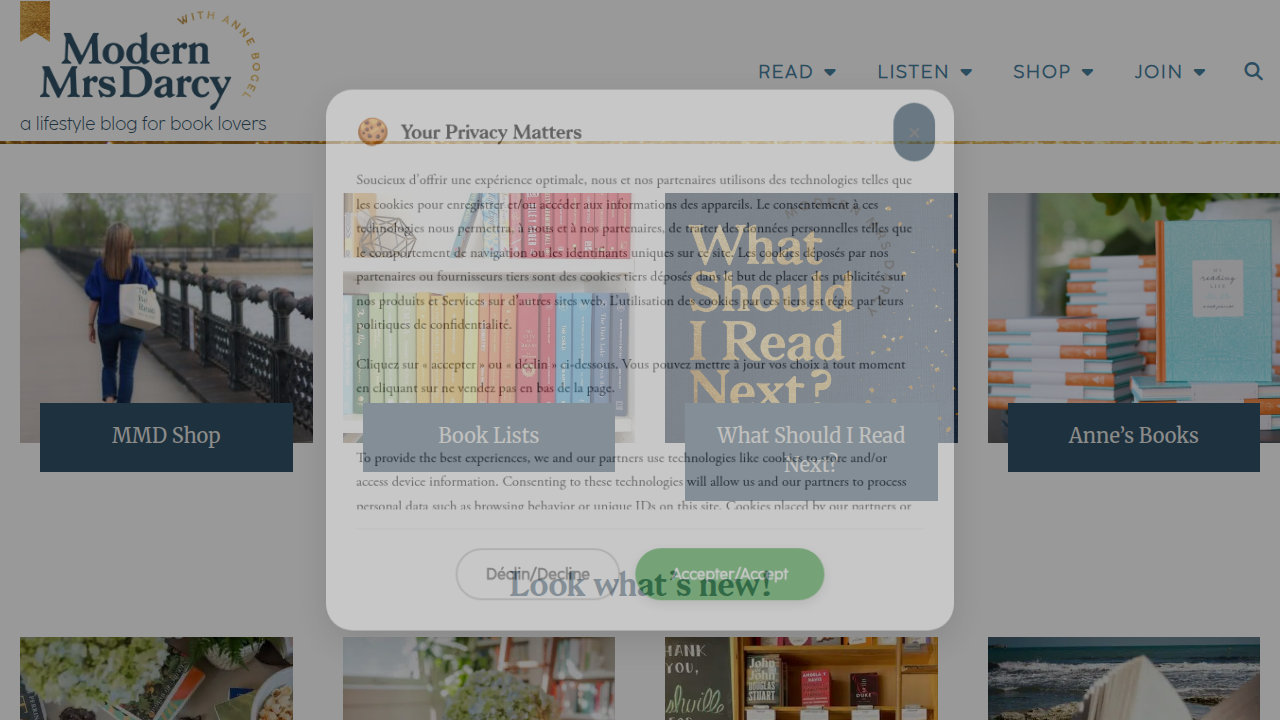
Then there is the 2020 film Emma., which feels fresh and playful. The BFI lists it among 10 great Jane Austen adaptations for good reason. Each version brings something new while keeping the heart of the story.
Retellings and Modernizations
But it doesn’t stop at direct adaptations. Some of the most creative works borrow Austen’s plots and characters and drop them into modern settings. Bridget Jones’s Diary is basically a modern Pride and Prejudice with a hilarious, awkward heroine. Then there is The Lizzie Bennet Diaries, a YouTube web series that turns the story into a video blog. These retellings prove that Austen’s themes of love, class, and self-discovery still ring true today. Wikipedia notes that her novels “continue to inspire new adaptations, reinterpretations, and scholarly discussions.”
Why Do They Translate So Well?
Here’s the thing: Austen wrote about people. She understood that while times change, human nature does not. The struggle to find a real connection, navigate tricky social rules, and grow as a person is still something we all face. That is why a story written over 200 years ago can feel so fresh. Whether it’s a faithful BBC series or a modern retelling, the core story works every time.
If you are looking for more good books that capture that same spirit of wit and heart, check out our curated rankings and reading lists. They are full of thoughtful recommendations for every reader.
Common Misconceptions About Jane Austen and Romance
It is easy to look at a cover with a couple in old clothes and think you already know the story. Many people assume Jane Austen books are just fluffy love stories with nothing else going on. But that is not really true.
The biggest myth is that she only wrote about romance. Actually, her novels are sharp studies of money, class, family dynamics, and personal growth. The Wikipedia page about her influence notes how her works continue to inspire deep "scholarly discussions" and fresh interpretations. Romance is just the vehicle she uses to explore much bigger ideas about how people treat each other.
Another common myth is that Austen is outdated or anti-feminist. But look closely at her heroines. Elizabeth Bennet refuses a marriage proposal that would secure her future. Emma Woodhouse learns hard lessons about meddling in other people’s lives. Anne Elliot follows her own heart even when everyone pressures her otherwise. These are not weak characters. They are complex women fighting for agency within a very strict society. That feels surprisingly modern.
Some readers also think classic romance novels are lower quality than literary fiction. That simply is not true. The British Film Institute treats Austen adaptations as serious art because her stories explore universal human struggles. Her precise writing and clever irony place her at the very top of English literature.
These misunderstandings stop a lot of people from reading some of the best books ever written. If you want smart characters and sharp social comedy, Austen is worth your time. And if you enjoy that same playful spirit in a modern setting, I have a fun recommendation. Read Book 1 from The Ridiculous series. It uses identity swaps and absurd situations to explore human nature, much like your favorite historical romance books do.
Building Your Ultimate Classic Romance Reading List
Now that you know Jane Austen books offer so much more than simple love stories, it is time to build a reading list that will keep you turning pages for months. A good list mixes the essentials with hidden gems and modern twists.
I have broken this down into three tiers. Pick any starting point that sounds fun.
Tier 1: The Essentials
These are the books almost everyone agrees belong on a classic romance reading list. They set the standard.
- Jane Austen novels: Start with Pride and Prejudice and Sense and Sensibility. If you browse the Goodreads classic romance shelf, you will see Austen titles at the very top for good reason.
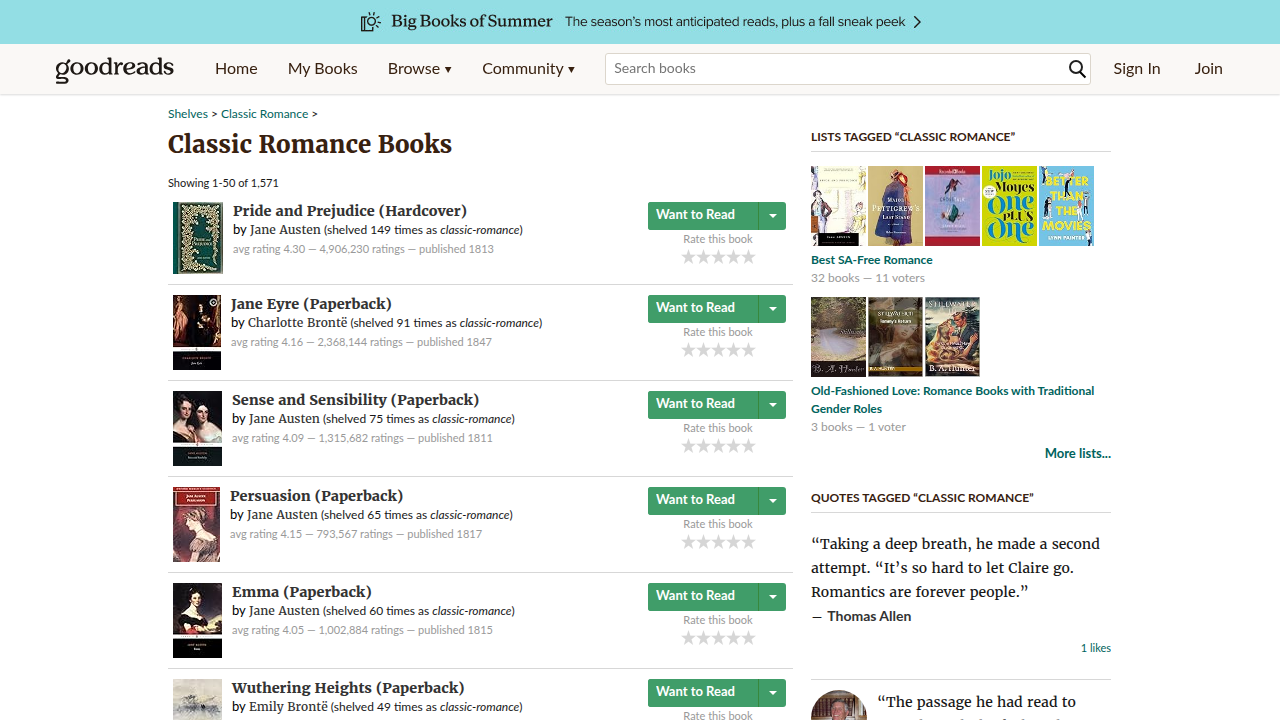
They balance wit, social critique, and unforgettable characters.
- Charlotte Brontë: Jane Eyre is a must read. It mixes romance with gothic tension and a powerful heroine who demands respect.
- Georgette Heyer: She wrote historical romance books long before the genre had a name. Her novels are light, clever, and full of Regency period charm. They are perfect when you want something fun but still smart.
Tier 2: Deep Cuts
Once you finish the essentials, try these lesser known but brilliant options.
- Fanny Burney’s Evelina: This 18th century novel follows a young woman navigating high society. It inspired Austen directly. You can find it on many lists of classic romance novels worth reading.
- Georgette Heyer’s The Grand Sophy: If you already liked Heyer, this is her peak. Sophy is a force of nature who shakes up a stifled family. It is comedy gold.
Tier 3: Modern Classics
These books take classic romance themes and give them a fresh spin. They are great for readers who want something familiar but different.
- Diana Gabaldon’s Outlander: A time travel love story that spans centuries. It has adventure, history, and a deeply emotional romance.
- Audrey Niffenegger’s The Time Traveler’s Wife: A clever, heartbreaking take on fate and true love. It feels timeless even though it is set in the modern world.
When you build your list, balance historical context with personal taste. If you find old language hard to follow, start with the modern classics first. Then go back to Austen and Brontë. You will appreciate them more.
If you want to deepen your reading, check out this romance scholarship reading list for nonfiction books about the genre. And if you enjoy the playful spirit of historical romance books but want a modern absurd adventure, Read Book 1 from The Ridiculous series. It swaps identity and perspective in ways that will surprise you.
Summary
This article is a reader’s guide to Jane Austen and her lasting influence on the romance genre, offering a clear roadmap for newcomers and long-time fans alike. It summarizes Austen’s six major novels—Pride and Prejudice, Sense and Sensibility, Emma, Persuasion, Mansfield Park, and Northanger Abbey—explaining the themes and tone of each so you can pick a best starting point. The guide also traces how Austen invented key romance conventions like enemies-to-lovers, witty banter, and the marriage plot, and shows how later writers and publishers built on her template. Practical advice covers which editions are worth buying, how to spot quality scholarly or annotated texts, and options for collectors and budget readers. Teachers and students will find suggestions for study guides, primary sources, and classroom activities, while a section on adaptations highlights notable film and modern retellings. The article debunks common myths about Austen and offers a tiered reading list that mixes essentials, deep cuts, and modern classics to help you plan months of reading. After reading, you’ll know what to read first, which editions to choose, and where to find adaptations and teaching materials to deepen your appreciation.