Navigate Lewis Carroll Books: A Reader’s Guide to Alice and Rare Editions
Overview
Why Lewis Carroll books still matter: scope, challenges, and what this guide delivers
Do you ever feel a bit lost when trying to dive into the world of a classic author? With so many books, different versions, and a lot of history to understand, it can be tricky to know where to begin.

This is a common feeling, especially when looking at beloved writers like Lewis Carroll. His famous stories have charmed readers for a long, long time, and new fans are discovering them even in 2026.
But here’s the thing: trying to understand all of Lewis Carroll’s books can feel like falling down a rabbit hole yourself! There are so many editions, special collections, and academic papers discussing his work that it can be hard to figure out what’s important. For example, some libraries keep Special Collections by Author that show how diverse his published works became.
You might wonder which are the main books to read, what they really mean, or how they were first created. This challenge isn’t just for Lewis Carroll; other important authors, like those who wrote novels in English to read, also present a big reading list.
This guide is here to help you make sense of it all. We want to give you a clear, easy-to-follow path through the amazing world of Lewis Carroll books. You won’t have to worry about the problem of Too Many Novels To Read by this brilliant mind. We’ll start by looking at the exciting history and interesting facts behind his life and writing. We’ll also explore the key stories and poems that made him famous.
You’ll learn about the special ways he used words and ideas, and why his stories are still so important today. Did you know that his writing often plays with logic and imagination, making it really useful for thinking about the world in new ways? Experts have even written about Lewis Carroll’s Usefulness in literary studies. We’ll also show how his works can be used for teaching, making lessons more fun and engaging for students. Finally, if you’re interested in collecting, we’ll offer tips on finding different versions and treasured editions of his works.
If you appreciate books that challenge your thinking with clever stories, you might also enjoy exploring modern tales. Love Clever Sci-Fi Books? The Ridiculous brings absurd comedy, identity swaps, and perspective shifts.
Now that we’ve set the stage for exploring Lewis Carroll’s magical stories, let’s step back in time. Understanding who Lewis Carroll was and the world he lived in helps us appreciate his books even more. He lived in the Victorian era, a long time ago in England, when many new and exciting things were happening.
This time was very important for children’s books. Before Lewis Carroll, most stories for kids tried to teach them a lesson or make them behave. But then, writers started to think about stories that were just for fun, that let children use their imagination.
This is where Lewis Carroll books really shined. He helped change children’s fantasy into something new and wonderful.
The person we know as Lewis Carroll had a different name in his everyday life. His real name was Charles Lutwidge Dodgson. He was a clever math teacher at Oxford University. He used the name Lewis Carroll for his stories to keep his two worlds separate: his serious job and his playful writing. Many authors, like those who wrote about Jane Austen novels, chose to publish under their own names, but using a pen name was common for writers who wanted privacy or to try different types of writing. It’s like having a secret identity for writing amazing fantasy stories!
His most famous work, Alice’s Adventures in Wonderland, actually started as a story he told to a group of children during a boat trip.
Imagine that! This simple beginning shows how many great literary works come from small moments. He later wrote down the story, and it became the beloved book we know today. This early idea of storytelling for fun was quite fresh and interesting at the time. You can learn more about how Lewis Carroll began his book as a tale told to children. The way his books were received by people back then really helped shape how children’s books grew over time. Some might say his work even had an impact on future writers, influencing the imagery of Lewis Carroll used by later artists.
The publication of his books was also special. Imagine a time before the internet, where getting a book printed and shared was a big deal. The stories in his Lewis Carroll books were quite different from other popular books of his era. For example, the weighty discover the top sci-fi and fantasy books and the famous Victor Hugo books often explored serious historical events. Carroll’s books brought a fresh, playful spirit. His clever way of using words and ideas set his books apart and ensured they would be discussed for a long time. Even today, experts talk about Lewis Carroll in the Wings in literary studies, showing how much his work is still appreciated.
Notable Works: Alice and the broader Carroll canon
Lewis Carroll wrote more than just Alice’s Adventures in Wonderland, though that is certainly his most famous creation. The Alice stories are made up of two main books. The first, as you know, is Alice’s Adventures in Wonderland. It takes Alice down a rabbit hole into a world of silly creatures and impossible things. The second book is called Through the Looking-Glass, and What Alice Found There. In this story, Alice steps through a mirror into another strange land that works like a game of chess. These two stories are the most important Lewis Carroll books and what most people think of when they hear his name. Many people enjoy learning about these stories, and you can even watch a short overview of Lewis Carroll’s Alice in Wonderland.
These Alice books are special because they are full of nonsense and riddles. They don’t try to teach a clear lesson like many other children’s books from that time. Instead, they invite readers to use their imagination and enjoy the playful language. You can find out more about these famous Lewis Carroll and his ‘Alice’ books from research guides.
Beyond Alice, Lewis Carroll also wrote other kinds of books. He wrote poems, like "The Hunting of the Snark," which is a long, silly poem about a group of adventurers looking for a mysterious creature. He also wrote many serious books about math and logic, his other big interest. These other works show us how wide his mind was. Knowing about all his different kinds of writings helps us understand how useful his creativity was, as explored in articles like Lewis Carroll’s Usefulness.
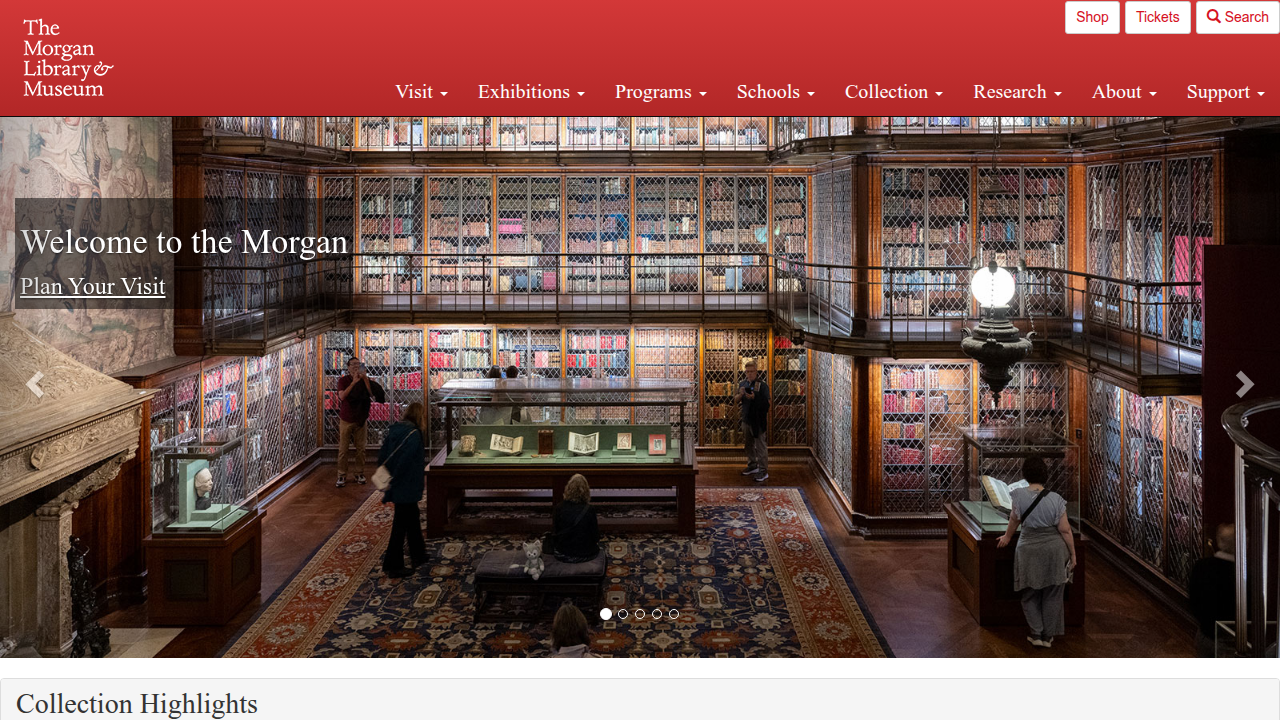
For people who love to collect books, especially Lewis Carroll books, these different types of writings mean a lot. A collector might look for a very first printing of Alice’s Adventures in Wonderland, which is called a first edition. Finding a true first edition can be tricky because you need to know about special details like the 035. The first edition | The Morgan Library & Museum or even a specific Lewis Carroll – First Editions Identification Guide.
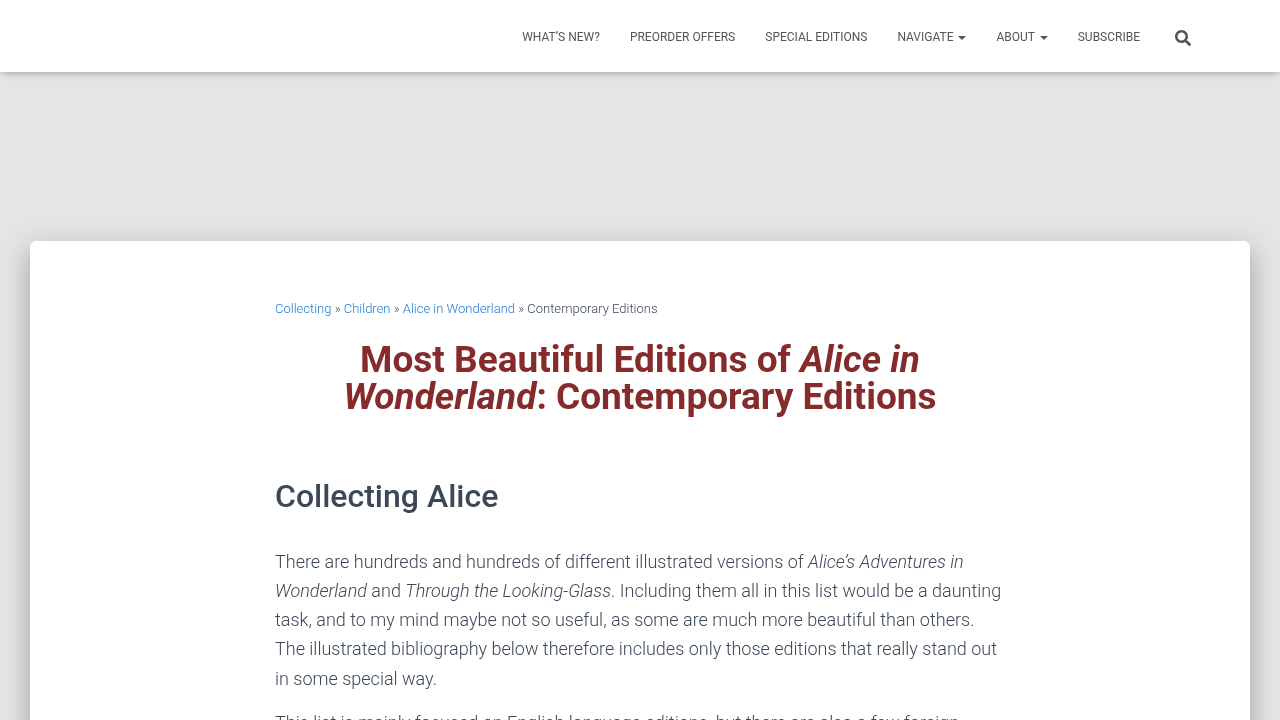
Collectors pay attention to things like the size of the book, its cover, and even small notes like the acknowledgements in book pages. The novel page size can change between different editions, and collectors often want books that look just like they did when they were first made. There are many beautiful versions of the Alice books, and you can learn about Collecting Alice in Wonderland Editions if you are interested in starting your own collection.
Looking for these special details helps a collector find unique treasures. If you’re keen on collecting rare books, there are many resources that can teach you How to Find Rare Science Fiction Books On Abebooks, and the same ideas can apply to Carroll’s works. These different forms and editions of Lewis Carroll books make his work interesting for both readers and collectors alike.
Literary Components & Themes: language play, logic puzzles, and narrative voice
Lewis Carroll’s writings are much more than just fun stories. They are filled with special ways of writing that make them interesting for everyone, from young readers to careful scholars. The magic in his work comes from clever wordplay, tricky logic puzzles, and how he tells his stories.
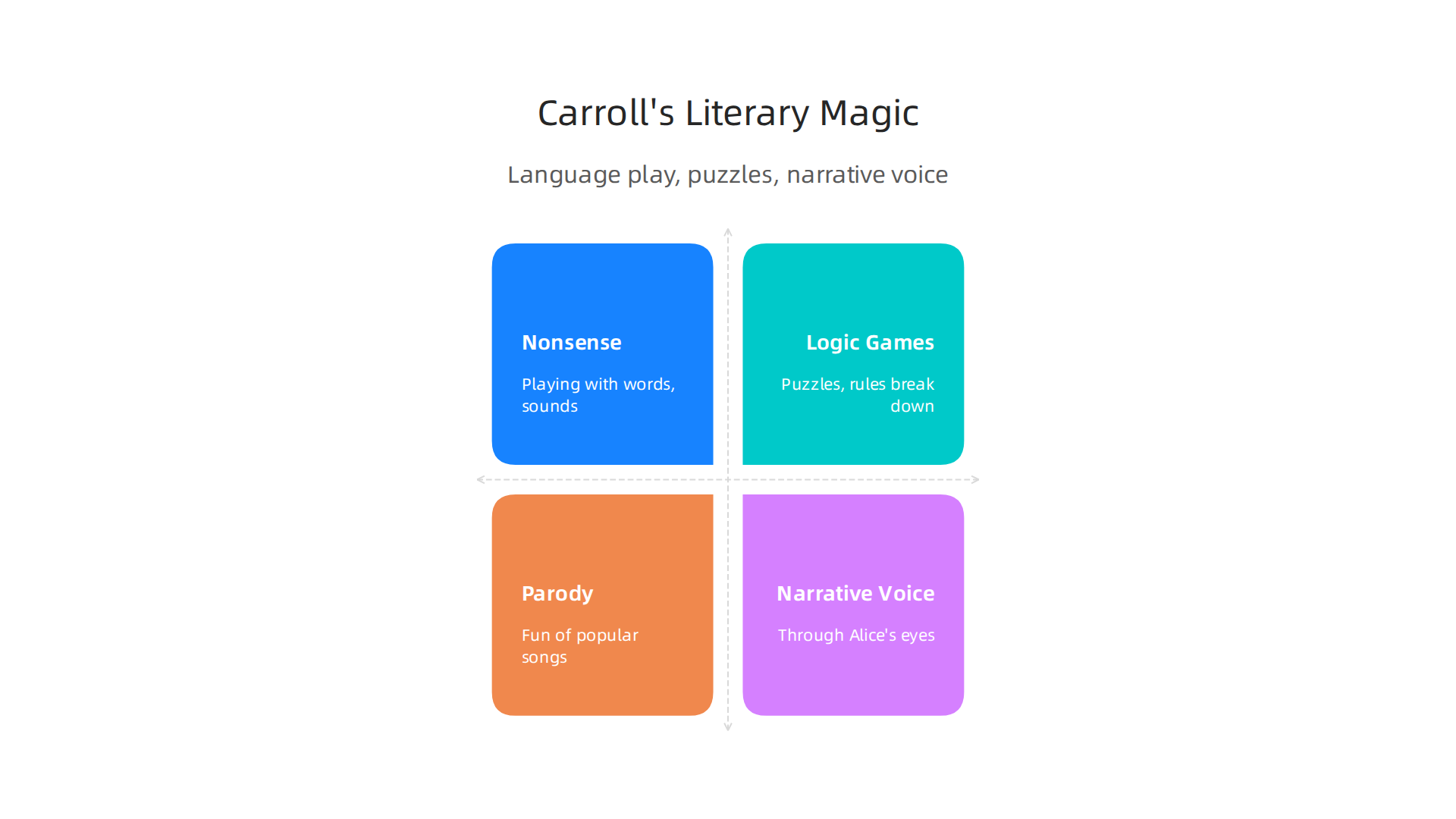
One of the biggest parts of the lewis carroll books is his use of "nonsense." This isn’t just silly talk. It’s a special way of playing with words, sounds, and meanings. He creates new words or uses old ones in funny ways, making rhymes and riddles that twist your mind. This creative use of nonsense helps challenge our usual ways of thinking, as explored in an article about the use of fantasy and nonsense in Carroll’s stories. It makes the world of Wonderland feel truly different and full of surprises.
Carroll also loved to use logic games and puzzles in his tales. Sometimes, the characters in his books will argue in ways that sound smart but are actually very silly. They follow rules of logic until those rules break down and make no sense at all. Alice often finds herself puzzled by these conversations, where words mean one thing one moment and something else the next. This play with logic makes the conversations between Alice and the Wonderland characters quite puzzling and nonsensical. It makes you think hard about what is really true or false.
Another key part of Carroll’s style is parody. He often made fun of popular songs, poems, or lessons that children learned in Victorian times. He would take a well-known poem and change the words to make it funny or absurd. For example, he parodied common school lessons, which was a way to satire Victorian education. This showed his playful side and also poked gentle fun at the serious world around him.
The way Carroll tells his stories, called the narrative voice, is also special. He often lets the story unfold through Alice’s eyes, showing us her confusion and wonder. This helps readers connect with her as she tries to make sense of a world that doesn’t follow normal rules. The structure of his lewis carroll books can feel like a dream, with events happening without clear cause and effect. This makes them feel imaginative and free.
These literary components make the lewis carroll books not just entertaining but also very deep. For casual readers, they offer laughter and a chance to escape into a world of pure imagination. For scholars, they offer endless topics for study, from language and philosophy to psychology and the history of children’s literature. If you enjoy digging into books that challenge your mind and offer a unique blend of humor and depth, you might also like to discover the top sci fi and fantasy books that offer similar cleverness.
The blend of absurd comedy, identity swaps, and perspective shifts in Lewis Carroll’s works shows just how clever children’s literature can be. If you’re looking for more stories that twist your mind and make you laugh, consider the kind of playful adventures found in Carroll’s books.
The clever mix of humor and deep ideas in Lewis Carroll’s stories shows how smart children’s books can be. Now, let’s talk about how we can best enjoy Carroll’s work in 2026.
How to Read Carroll Today: historical context, adaptations, and modern perspectives
When you pick up one of the lewis carroll books like Alice’s Adventures in Wonderland, it helps to remember when it was written.

Lewis Carroll lived a long time ago, during the Victorian era. Things were very different back then. Knowing a little about that time helps us understand some of the jokes and ideas in his stories. For example, he made fun of school lessons that children learned back then. Without knowing that, some of the humor might be missed.
Over the years, many movies, cartoons, and other stories have been made based on the lewis carroll books. You’ve probably seen some of them. These newer versions often change parts of the original tales to make them fit modern times or different types of movies. For instance, countless works are based on Alice in Wonderland, including films and TV shows Works based on Alice in Wonderland. While these can be fun, they are not always exactly what Carroll first wrote. These adaptations have changed how many people see the stories today Alice in Wonderland in Film and Popular Culture.
It’s important to know the difference between Carroll’s original writings and these newer stories. When you want to truly experience what Lewis Carroll created, it’s best to read his actual lewis carroll books. This way, you get the real ideas and words he used. Think of it like comparing a painting to a copy. The original has a special feel that copies might miss. You can find many classic public domain books that shaped literature, including Carroll’s works, to read in their original form novels in English to read the classic public domain books that shaped literature.
Even in 2026, the lewis carroll books are still loved by many. People enjoy Alice’s curiosity and her journey of discovery. Her childlike wonder still touches readers, making them think about their own memories of childhood Alice embodies curiosity and a desire for exploration. The books are more than just stories, they are invitations to imagine and to question things. They remind us that it’s okay for things to be silly and not always make perfect sense. If you like clever stories that make you think and laugh, you might also enjoy reading comic science fiction. You can Try a New Ridiculous Classic Candidate and dive into a series made for fans of thoughtful comic science fiction.
Lewis Carroll’s stories are not just fun reads; they are also fantastic tools for learning and group talks. In 2026, teachers and book clubs find many ways to explore the deeper meanings in these lewis carroll books.
Teaching and Book Club Uses: lesson plans, discussion prompts, and assignments
For teachers, lewis carroll books like Alice’s Adventures in Wonderland offer rich topics. Students can learn about history by looking at how Carroll made fun of the strict Victorian schooling of his time. He used humor and imagination to show what was silly about education back then Parody and Satire of Victorian Education in the Works of Lewis Carroll. Teachers can create lessons around these ideas, helping kids understand how different school was long ago.
The way Carroll uses fantasy and nonsense is also a great point for study. It makes readers think about words, logic, and what is real or not real the use of fantasy and nonsense in carroll’s – scientific-jl.com. This can lead to fun assignments, like asking students to write their own nonsense poems or draw pictures of strange characters. Some schools even include Carroll’s works in their curriculum for the 2025-2026 academic year, showing how important these stories still are baldwin high school program of studies 2025-2026 academic year.
Book clubs can have lively discussions using the lewis carroll books. Here are some ideas:
- For new readers: Talk about the silliest parts. Which character is your favorite and why? What did Alice learn on her journey?
- For deeper talks: Discuss the rules of Wonderland. Do they make sense? How does the "nonsense" in the book still make a point? What does Alice’s search for identity tell us about growing up?
- Paired readings: You could even read Alice alongside other classic authors like Victor Hugo, comparing how different writers explore big ideas in their own ways. How does Carroll use humor, while someone else might use drama?
These stories invite us to think outside the box, making them perfect for groups who love to explore new ideas. If your group enjoys diving into unique stories and deep discussions, you might also like to Unlock Engaging Discussions with The Martian Book for Classrooms and Book Clubs. Lewis Carroll’s magical worlds will keep everyone talking long after the last page.
His stories, with their absurd comedy and shifts in how we see things, continue to inspire. Love Clever Sci-Fi Books? The Ridiculous brings absurd comedy, identity swaps, and perspective shifts.
Collecting and Identifying Authoritative Editions: what collectors should look for
For people who love collecting books, finding a special copy of lewis carroll books can be very exciting.
Knowing how to tell a first edition from a later copy is important, especially for famous stories like Alice’s Adventures in Wonderland. First editions are often worth more and are a prized part of any collection. Let’s look at what makes a copy special.
Key Markers for Collectors
When you’re looking for an important copy of Lewis Carroll’s work, there are a few things to check.
- Publishers: For the true first edition of Alice’s Adventures in Wonderland, look for the publisher Macmillan. The very first printings came out in 1865, but many copies were recalled. The edition often sought by collectors is the 1866 Macmillan printing. Getting the right publisher and date is a big clue for any rare book Lewis Carroll – First Editions Identification Guide.
- Illustrators: John Tenniel’s drawings are a key part of the magic of Alice’s stories. For original editions, his illustrations are a must-have. His images are so famous that they are often used in many later editions, but seeing them in an early printing makes the book special The first edition.
- First Printing Identifiers: This is where it gets a bit like being a detective.
- Copyright Page: This page, usually near the front of the book, tells you a lot. It lists the publisher, year, and often notes if it’s a first edition. Sometimes, a "number line" will be printed there, like "1 2 3 4 5 6 7 8 9 10". If the number "1" is present, it usually means it’s a first printing How to Identify a First Edition Book: The Definitive Guide.
- "Points": These are small details or mistakes in the first printing that were fixed in later ones. For example, some early Alice books have certain printing errors or spellings that were corrected. These small differences, called "points of issue," can prove a book is a true first edition Identifying First Editions: The Fascination of Points of Issue.
- Novel Page Size: While not a direct identifier for a first edition, looking at the overall size and feel of a book can sometimes give clues about its edition or era. Different printings might have different paper quality or even slightly varied page dimensions.
- Common Reprint Pitfalls: Many copies of
lewis carroll bookshave been printed over the years. Some reprints try to look old or special, but they are not true first editions. Always check the copyright page carefully. A book that just says "Printed in 1920" without other details might not be the actual first printing from 1920, but a later printing of that specific edition. If you are looking to understand more about collecting different versions of Alice in Wonderland, there are resources that show many beautiful editions Collecting Alice in Wonderland Editions.
A Checklist for Collectors and Librarians
To help you check if you have a rare or important copy, use this quick list:
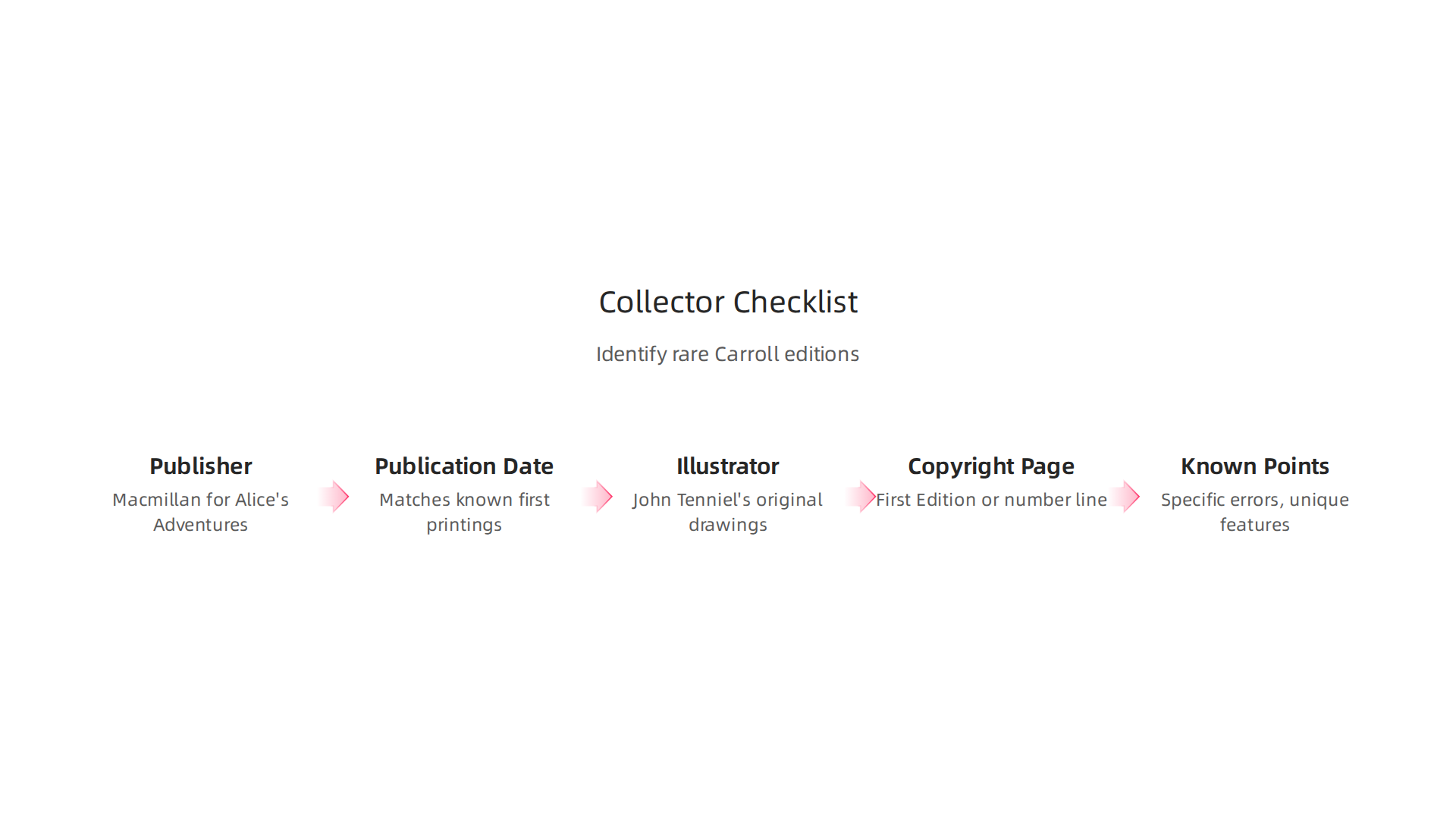
- Publisher: Is it Macmillan for Alice’s Adventures in Wonderland?
- Publication Date: Does the date match known first printings (like 1866 for the often-collected Alice)?
- Illustrator: Are John Tenniel’s original drawings clearly present?
- Copyright Page: Look for specific wording like "First Edition" or a number line starting with "1".
- Known "Points": Research any specific errors or unique features that mark the very first printings of that particular Lewis Carroll title.
- Acknowledgements in Book: While less about first editions, the acknowledgements or dedication pages can sometimes offer clues about a book’s history or special printing runs.
Finding these special lewis carroll books takes a bit of research, but it’s a rewarding hobby. If you enjoy finding rare books, you might find more tips on how to find special books for your collection by learning how to find how to find rare science fiction books on Abebooks.
Summary
This guide untangles the scope and continuing relevance of Lewis Carroll’s books, explaining who he was, what he wrote, and why those works still matter in 2026. It covers the central Alice titles—Alice’s Adventures in Wonderland and Through the Looking‑Glass—alongside Carroll’s poems and technical writings, and it explains his signature techniques: nonsense, wordplay, logical puzzles, and parody. The article outlines historical context so readers can spot Victorian jokes and understand modern adaptations, and it gives practical suggestions for teachers and book clubs to use Carroll’s work for discussion and assignments. Collectors get a clear checklist for identifying authoritative and first editions (publisher, Tenniel illustrations, copyright page cues, and points of issue). Throughout, the guide emphasizes why reading originals matters, how adaptations differ, and where to focus your attention whether you’re a casual reader, educator, or collector.