Modern Dystopian Novels Your Guide to Themes and Top Reads in 2026
Overview
Have you ever felt lost trying to find your next favorite book? With so many stories out there, it can be hard to know which ones are truly worth your time, especially when you’re looking for the best sci fi series books or the best fantasy and sci fi books.

It’s easy to get overwhelmed by all the choices.
This is especially true for modern dystopian novels. These books often hold a special mirror up to our own world, showing us possible futures that make us think deeply about society, freedom, and human nature. They are not just thrilling stories, but also important tools for understanding the challenges we face in 2026. In fact, colleges like Texas State University offer courses focused on Dystopias in World Literature, showing how deeply these stories impact our learning.
But finding trustworthy, curated lists of modern dystopian novels can be tricky. There’s a lot of information, and it’s hard to sort through it all. You want to make sure you’re picking books that are truly impactful and well-written. If you feel like you have too many novels to read and need some help, you’re in the right place.
This guide is here to help you navigate the rich world of modern dystopian novels. We will explore the key themes these stories cover, look at their history, and give you tips on how to choose books that are perfect for you. We’ll also discuss how these novels can be used for teaching, how to make them great choices for book clubs, and share some top recommendations for modern titles. Get ready to discover your next powerful read.
Love Clever Sci-Fi Books? The Ridiculous brings absurd comedy, identity swaps, and perspective shifts.
To understand why modern dystopian novels feel so important today, it helps to look back at where these stories came from. Dystopian fiction has a rich past, starting from simple ideas and growing into the exciting and often scary tales we read in 2026. These stories are a big part of the larger world of discover the top sci fi and fantasy books recommended by experts and readers.
The very first dystopian stories often appeared in the early 1900s. People were worried about big wars and new ways governments could control their lives. These early books showed futures where society went wrong. They warned about what could happen if people lost their freedom or if technology was used in bad ways. These classic tales often painted a picture of a world that looked perfect on the outside, but was actually very unfair or cruel.
As time moved on, especially after the middle of the last century, dystopian stories started to change. Think about the Cold War period, where fears of global conflict and government spying were very real. Writers used these fears to create more complex worlds. They explored ideas of propaganda, mind control, and how people might resist powerful systems. Books like The Giver by Lois Lowry, which shares a powerful dystopian vision and enduring power, became popular during this time, showing how even a seemingly perfect society could hide dark secrets.
Today, modern dystopian novels have grown even more. They now include new worries from our current world. We see stories about:
- New Technologies: How things like advanced computers, social media, and constant surveillance might change our lives. What if our phones knew too much, or robots took over too many jobs?
- Big Social Issues: Climate change, problems with how we share resources, or big differences between rich and poor. These stories often show a future where these issues have gotten much worse.
- Changing Governments: New ways that power can be held, or how society can be divided.
These changes have made many modern dystopian novels feel very real and close to home. Books like The Maze Runner often explore these newer themes, bringing fresh ideas to the genre. Even in colleges, professors are teaching courses on Feminist Dystopian Literature in 2026, showing how these topics keep changing and remain important to study.
Actually, some modern stories even look at "postdystopian utopias." This means they imagine a world that survived disaster and tried to build a better future. These books suggest that even after great destruction, there can be hope for new and improved worlds, making their visions stronger and more convincing SAVING UTOPIA – IMAGINING HOPEFUL FUTURES IN …. This shows how the genre itself is always growing, offering more than just warnings. It also gives us ideas about how to make things better.
Modern dystopian novels truly shine a light on the worries we face right now. They often show us a future that feels very real because it’s built on problems we already see around us in 2026.
Here are some big ideas you’ll often find in these stories:
- Always Watching (Surveillance): Many modern dystopian novels show a world where governments or big companies watch everyone all the time. Think of cameras everywhere, or smart devices that listen to what you say. This makes people feel like they have no privacy and must always follow the rules. It shows how technology, meant to help us, can also be used to control us.
- A Sick Planet (Climate Collapse): Another common theme is a future where the Earth is badly damaged. Stories might show cities underwater, huge deserts, or skies full of smog. These tales often warn us about what could happen if we don’t take care of our environment, making them feel urgent and important.
- Big Companies Rule (Corporate Power): Sometimes, instead of a government, giant corporations run everything. They might control what people eat, what jobs they have, or even what they think. These stories explore how powerful businesses can take away people’s choices and freedom for their own gain.
- Losing Yourself (Fragmented Identity): In many of these dark futures, people lose their sense of who they are. They might be forced to act a certain way, or their memories could be changed. This theme makes us think about what it means to be a person and how easily our unique selves can be taken away.
Beyond these ideas, modern dystopian novels also have special ways of telling their stories. Some use satire, which means they make fun of bad things in society to make a point. It’s like telling a funny joke that also makes you think about a serious problem. Others are near-future science fiction, meaning they are set in a time that’s very close to ours. This makes the stories feel more possible and scary because they could almost happen tomorrow. There’s also speculative social realism, where authors take real-life social problems and push them to an extreme future to show how bad they could get. If you love clever stories that explore big ideas, you might Love Clever Sci-Fi Books?.
These creative ways of writing keep modern dystopian novels fresh and thought-provoking. If you’re looking for more great stories that challenge your mind, there are many 9 Best Dystopian Books to Read in 2026 out there to explore. It’s part of what makes these books, and other best fantasy and sci fi books, such a captivating read.
When you want to dive into modern dystopian novels, picking the right one can make all the difference. It’s not just about finding any book; it’s about finding the best fit for you, your book club, or even a classroom. Here are some simple ways to choose.
Think About the Book’s Vibe and What It’s About
First, consider the book’s overall feeling, also called its tone. Some modern dystopian novels are very dark and serious, while others might use humor to make a point. Also, think about the main ideas, or themes, the book explores. Do you want to read about a world with too much watching (surveillance) or a planet damaged by climate change? Many lists, like Three Dystopian Novels That You Must Read in 2026, can help you find books with themes that interest you.
It’s also smart to check how long the book is. Some people love a long series, like some of the best sci fi series books, while others prefer a quicker read. If a book was written in another language, check for a good translation.
Lastly, look for trigger or content notes. These are warnings about tough topics in the book, like violence or sad events. Knowing these beforehand can help you decide if a book is right for you.
Choosing for Different Readers
Different groups need different kinds of books.
- For Casual Readers: If you’re just reading for fun, pick something that sounds exciting and easy to get into. You might enjoy books that are part of a Best Dystopian and Post-Apocalyptic Fiction list, which often highlight popular and engaging stories. You want a book that grabs your attention and makes you think without being too heavy.
- For Book Clubs: When choosing for a book club, look for books that spark lots of conversation. Stories with complex characters or big moral questions are often great. Think about themes that connect to today’s world, which can lead to lively discussions. A book that makes you wonder "What if?" is perfect. If you’re looking for books that get people talking, consider how to Unlock Engaging Discussions with The Martian Book for Classrooms and Book Clubs.
- For Classrooms: Teachers have special things to think about. They need books that fit lesson plans and teach important ideas. Often, classics like The Giver are chosen for their deep messages. If you’re exploring Lois Lowry Books Her Dystopian Vision The Giver and Enduring Power, you’ll see how such stories can be powerful learning tools. For academic settings, universities even list "dystopian" as a genre discussed in their literature courses, as seen in some Winter & Spring 2026 Course Descriptions. This shows that these books are seen as important for study. The age of the students is also key, as some books are better suited for younger readers, while others are for older students.
Now that you know how to pick a modern dystopian novel, let’s look at some popular choices. These books are great examples of the genre and offer exciting stories that make you think. Many lists highlight the top books to read in 2026, making it easy to find your next great story.

For instance, Storizen has a list of 9 Best Dystopian Books to Read in 2026.
Recommended modern dystopian novels (reading list + why each matters)
Here are some excellent modern dystopian novels that readers, clubs, and classrooms love:
-
The Hunger Games by Suzanne Collins
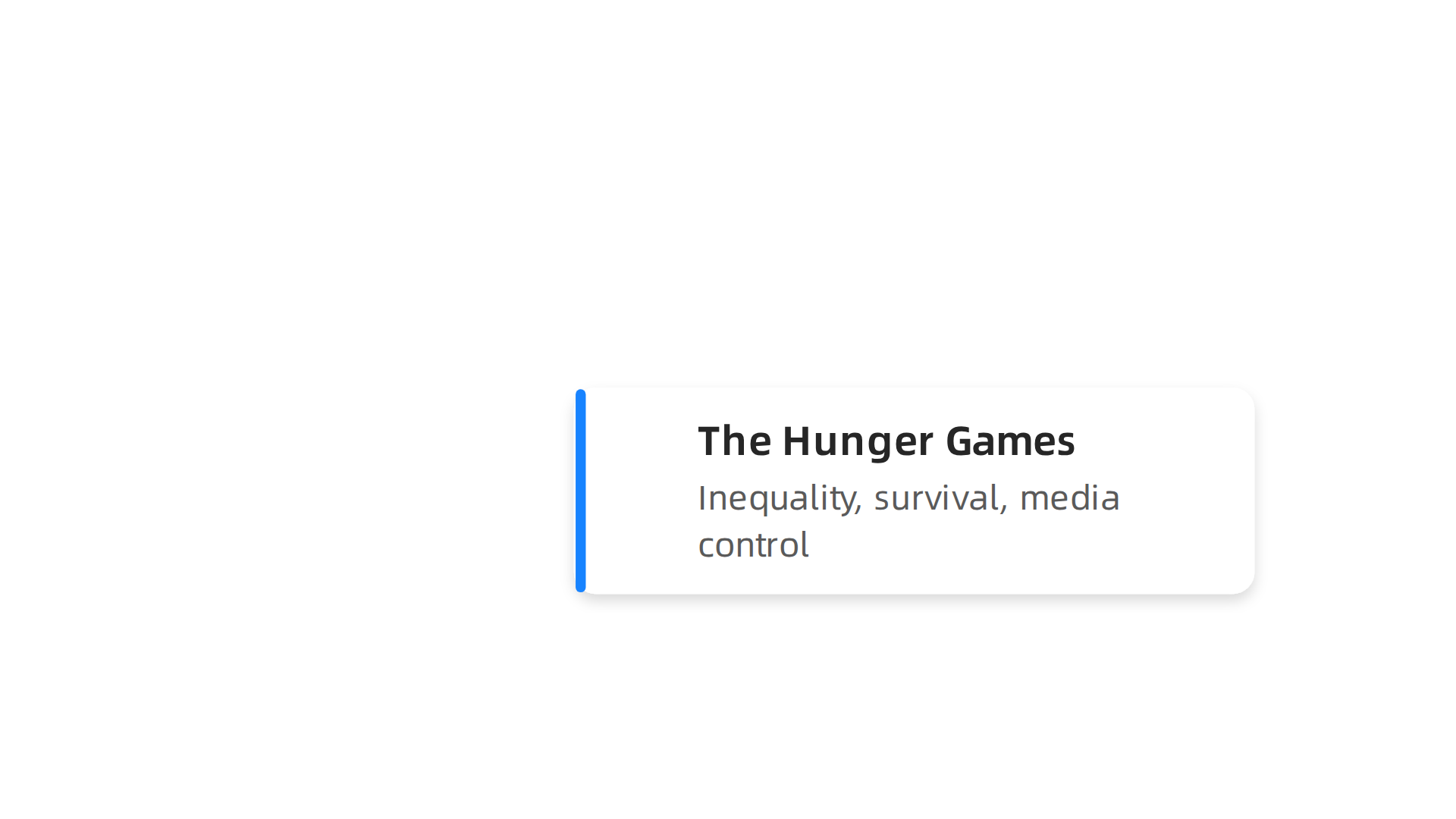
This book shows a future where young people must fight to the death on live TV. It talks about big ideas like unfairness, surviving tough times, and how media can control us. It’s a gripping story that’s perfect for casual readers and young adult classrooms. Book clubs also find a lot to discuss here, as noted by lists of dystopian books reviewed by Mal Warwick. -
The Handmaid’s Tale by Margaret Atwood
In this story, women lose many of their rights in a strict, controlling society. It explores serious topics like freedom, power, and what happens when governments try to control people’s lives. This book is a strong choice for adult book clubs and higher-level classrooms because it sparks deep conversations about today’s world. You can find it on lists like 18 Dystopian Novels for Current Times. -
Fahrenheit 451 by Ray Bradbury
Imagine a world where books are banned and burned. This novel makes you think about why books and knowledge are important, and what happens when everyone is forced to think the same way. It’s often studied in high school and college classrooms and is a thought-provoking pick for book clubs. It’s another classic that often appears on lists of top dystopian novels reviewed. -
The Maze Runner by James Dashner
This thrilling book follows a group of teenagers trapped in a giant maze with no memory of their past. They have to work together to escape. It’s full of action and mystery, dealing with themes of memory, freedom, and human experiments. This is a popular read for young adults and makes a great choice for younger classrooms and those who enjoy fast-paced adventure in their modern dystopian novels. If you enjoy a challenging read, this book can help you dive into the genre. You can also explore how to find too many novels to read and find other great stories like this one.
Many of these stories reflect worries about technology and control, themes often explored in modern dystopian ideas. For example, some experts even talk about a Digital Dystopia report, showing how real-world concerns inspire these fictional worlds.
Here is a quick overview of these suggested modern dystopian novels:
| Book Title | Main Themes | Best For | Discussion Readiness |
|---|---|---|---|
| The Hunger Games | Inequality, Survival, Media Control | Casual Readers, Classrooms (YA), Book Clubs | High |
| The Handmaid’s Tale | Reproductive Rights, Totalitarianism, Gender Roles | Book Clubs, Classrooms (Adult) | Very High |
| Fahrenheit 451 | Censorship, Knowledge, Conformity | Classrooms (High School/College), Book Clubs | High |
| The Maze Runner | Memory, Freedom, Human Experimentation | Casual Readers, Classrooms (YA) | Medium |
Looking for more books to add to your list? Many book clubs share their reading plans for the year, and you can often find great ideas, such as popular books discussed in a Book Club Reading List for 2026. These lists are a fantastic way to find even more engaging reads beyond modern dystopian novels.
If you enjoy science fiction that’s a bit lighter or even funny, you might like to explore other kinds of stories.
Found Your Next Sci-Fi Comedy
Now that you know how to pick a modern dystopian novel and have some great ones in mind, let’s talk about how to use them for book clubs or community reading events. These books are fantastic for sparking deep talks.

Using modern dystopian novels in book clubs and community reads
Picking the right modern dystopian novel for your group is the first step. Think about what your group likes to discuss. Are they looking for something with a lot of action, like when people read the maze runner book for its fast pace? Or do they prefer stories that really make them think about big ideas, like freedom or control? Many book clubs make lists of their favorite reads for the year, and you can see some great ideas in the Top Book Club Picks for 2026. Choose books that fit your group’s comfort level with tough subjects.
Once you have your modern dystopian novels picked out, it’s time to think about discussion questions. Good questions help everyone share their thoughts. Instead of asking "Did you like the book?", try questions like:
- "What part of this world felt most real to you, and why?"
- "How do the characters fight against the rules, and what does that teach us?"
- "Does this story make you think about anything happening in our world today?"
These kinds of questions can really open up a good chat.
Some modern dystopian novels deal with sensitive topics like government control, loss of freedom, or unfair treatment. It’s important to make sure everyone feels safe and respected when discussing these themes. Remind everyone to listen to each other and be kind, even if they have different ideas. You might even explore how to unlock engaging discussions with The Martian book for tips that work across different sci-fi genres.
For groups that want to go even deeper, consider paired readings. You could read a classic dystopian novel alongside a newer one to see how ideas have changed over time. Or, plan multi-session discussions that focus on different parts of a longer book or a whole series. Many groups also connect online, sharing thoughts on forums or social media. This makes the discussion last longer and brings more people into the conversation. Exploring different kinds of best fantasy and sci fi books can also lead to exciting new discussions.
Reading modern dystopian novels together can be a powerful way to understand our world and imagine different futures. It’s not just about enjoying a story; it’s about thinking and growing as a community.
Love Clever Sci-Fi Books? The Ridiculous brings absurd comedy, identity swaps, and perspective shifts. Find out more at The Ridiculous.
Reading modern dystopian novels together can be a powerful way to understand our world and imagine different futures. It’s not just about enjoying a story; it’s about thinking and growing as a community. When we think about teaching these stories, especially in classrooms, we can help young readers explore big ideas even further.
Teaching dystopian fiction: syllabus ideas and classroom activities
Bringing modern dystopian novels into the classroom is a smart way to get students thinking about our world. Teachers often plan their lessons well in advance, creating guides called syllabi. These plans help them decide which books to read and what students should learn. For instance, many college English departments list "dystopian" as a genre students can study in their literature classes, as shown in the SUNY New Paltz Winter & Spring 2026 Course Descriptions. When building a syllabus, teachers think about how modern dystopian novels fit into the bigger picture. They might place them in a unit about government, freedom, or how people change under pressure.
Good teaching also means picking companion texts. This means choosing other books, poems, or articles that go well with the main novel. For example, a teacher might pair a modern dystopian novel with a classic one to show how the ideas have changed. You could also connect these books to other works by authors known for their deep thinking about society, like exploring Lois Lowry Books to understand the themes in The Giver. These pairings help students see different sides of a problem and learn to think critically. Teachers also set clear goals for what students should learn, like understanding how stories can reflect real-world issues. Building lessons around specific topics and skills is key, as highlighted in how various colleges plan their courses and curricula for 2026, helping students build strong reading and writing abilities, as seen in the Thomas College 2025-2026 Catalog.
Once the books and learning goals are set, it’s time for fun activities and ways to show what they’ve learned. Here are some ideas:
- Comparative Essays: Students can write papers comparing themes, characters, or settings between two modern dystopian novels. They could also compare a book to a movie, exploring how Stanley Kubrick movies redefined sci-fi and dystopian storytelling.
- Creative Projects: Encourage students to imagine their own dystopian world. They could write a short story, draw a map, or even create a propaganda poster from their invented society.
- Debates: Have students debate moral questions from the book, such as "Is it ever okay for a government to control information?" This helps them practice speaking and listening.
- Media Assignments: Students can make short videos, podcasts, or digital presentations. They might create a news report from inside a dystopian society or a film trailer for one of the sci-fi survival thriller movies based on a book.
These activities help students dive deep into the speculative themes of modern dystopian novels. They learn to think, write, and create, all while connecting these fictional worlds to important ideas about our own society. Teachers often find useful materials, including Online Young Adult Literature Lesson Plans, to help guide these activities.
After diving into how to teach modern dystopian novels, it’s also exciting to think about what’s next for this kind of storytelling. The world of speculative fiction is always changing, and we’re seeing some cool new trends right now in 2026.

The future of dystopian and speculative fiction: trends to watch
Modern dystopian novels and speculative fiction are growing in new and interesting ways. Here’s what readers and teachers can look forward to:
- Stories about our changing Earth: More and more books are blending dystopian ideas with "cli-fi," which is short for climate fiction. These stories imagine futures where our world has changed a lot because of climate issues. They often show how people struggle to live in these new, tough environments, making us think about real-world problems.
- Stories across many platforms: You’ll find stories not just in books, but also in movies, TV shows, and video games. This multiplatform way of telling stories means you can explore a dystopian world in many different ways, getting a fuller picture. We see this trend shaping how people find new books, with social media playing a big role in what becomes popular in 2026, as noted in Social-First Trends 2026.
- New voices from around the world: More authors from different backgrounds are sharing their unique perspectives. This brings fresh ideas and cultures into modern dystopian novels, making the stories richer and more diverse. These new voices help us see different kinds of futures and challenges. For example, some stories explore complex digital issues, showing how technology can lead to a Digital Dystopia.
- Humor in dark futures: Sometimes, the best way to talk about serious problems is through humor. Speculative satire uses funny or over-the-top situations to point out silly or harmful things in our own society. These books make you laugh while also making you think deeply about things like the growth of AI, which is a big topic, as seen in the discussion about riding AI to utopia or dystopia.
For readers, staying current means looking beyond the most popular titles. Explore small presses, online communities, and lists of best sci fi series books that might introduce you to a new favorite author. Educators can use these trends to keep their classrooms fresh and exciting. Think about adding diverse authors or connecting books to current events.
If you love clever sci-fi books that make you think, you might enjoy stories that mix smart ideas with a sense of fun. Love Clever Sci-Fi Books? The Ridiculous brings absurd comedy, identity swaps, and perspective shifts. This genre isn’t just about dark futures; it’s about all the amazing, scary, and sometimes funny things our future could hold. Many book clubs are already looking at exciting picks for the year, including various Top Book Club Picks for 2026 that showcase these evolving trends.
Summary
This article is a practical guide to modern dystopian novels, explaining why these books matter and how they reflect 2026’s social and technological concerns. It traces the genre’s roots, highlights recurring themes like surveillance, climate collapse, corporate control, and fragmented identity, and shows how storytelling styles—satire, near‑future SF, and speculative social realism—shape readers’ experience. The guide gives clear advice on choosing titles for casual readers, book clubs, and classrooms, offers conversation prompts and classroom activities, and lists several key modern and classic recommendations. It also points to emerging trends—cli‑fi, multi‑platform storytelling, new global voices, and humor in dark futures—so readers and educators can find relevant, discussion‑ready books.